Ceramic Coating: Preserve and Gleam Your Vehicle
Ceramic coating has become a preferred solution for automobile defense. This advanced solution produces a resilient barrier that attaches to the paint, offering notable benefits over conventional techniques. As vehicle owners seek ways to increase lifespan and visual appeal, understanding the nuances of ceramic coating becomes crucial. What differentiates it from older techniques? Investigating its advantages and implementation method demonstrates much about its growing popularity. The specifics are worth examining.
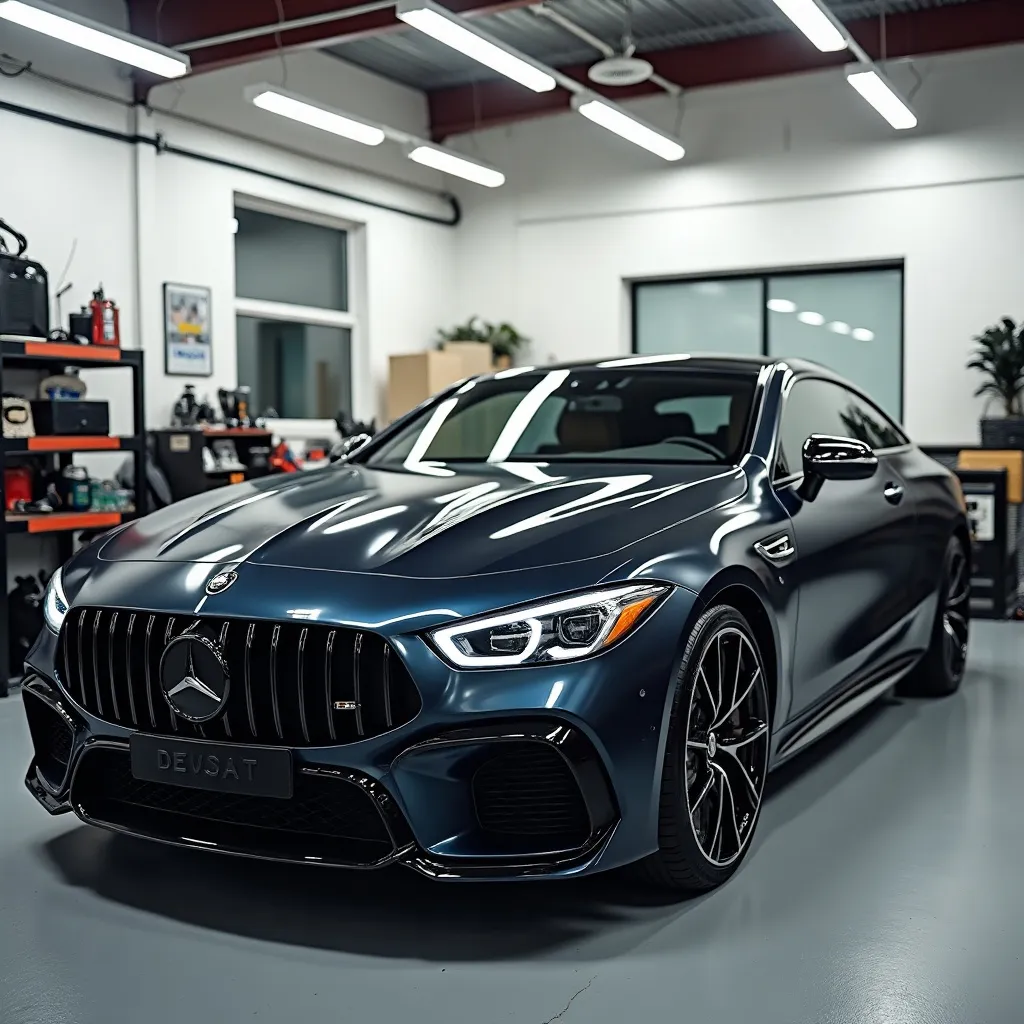
What Is Ceramic Protection and How Does It Work?
Ceramic coating serves as a protective layer for vehicles, enhancing their appearance and longevity. This modern technology consists of a liquid polymer applied onto a vehicle's exterior, creating a strong bond with the factory paint. Primarily made of silicon dioxide, the coating forms a hydrophobic surface that pushes off water and contaminants, making it easier to care for and clean.
When properly applied, ceramic coating offers a durable shield against UV rays, oxidation, and environmental pollutants, which can damage the paint over time. The application process typically demands thorough surface preparation, including washing, decontaminating, and polishing the vehicle to guarantee ideal adhesion. Once cured, the coating hardens, offering a shiny appearance that amplifies the vehicle's aesthetic appeal. This protective layer not only enhances the car's appearance but also acts as a barrier against scratches and minor abrasions, contributing to the overall preservation of the vehicle's value.
Outstanding Reasons Why Ceramic Coating Protects Your Car
Ceramic coating presents car owners significant advantages, incorporating durable defense against environmental hazards. This innovative technology protects the vehicle's exterior and amplifies its brilliance and gloss, crafting a remarkable appearance. Understanding these advantages can enable people choose wisely concerning vehicle care.
Persistent Enduring Safeguarding
A notable advantage of applying a ceramic coating to a vehicle is its ability to provide durable protection against environmental hazards. This sophisticated protective layer helps shield the car's surface from harmful elements such as UV rays, acid rain, bird droppings, and road salts. Unlike traditional wax or sealants, which degrade over time, ceramic coatings form a durable bond with the vehicle's paint, offering enhanced resilience that can last for several years. Additionally, this protective barrier reduces the risk of scratches and swirl marks, maintaining the integrity of the vehicle's finish. By investing in ceramic coating, car owners can greatly reduce maintenance efforts and costs, ensuring their vehicle remains in ideal condition while extending its lifespan.
Improved Gloss and Glow
One of the standout advantages of using a ceramic coating to a vehicle is the impressive enhancement in luster and radiance it delivers. This sophisticated protective layer not only enhances the vehicle's appearance but also produces a breathtaking richness of hue that is often likened to a showroom finish. The hydrophobic properties of ceramic coatings repel water, which aids in avoiding water spots and enhances the optical clearness of the paint. Additionally, the smooth surface created by the coating minimizes dirt and grime adhesion, rendering the vehicle simpler to wash and maintain. As a result, car enthusiasts and everyday drivers alike appreciate the lasting radiance and visual beauty that ceramic coatings provide, ensuring their vehicles look pristine for longer periods.
Ceramic Coating versus Traditional Wax: Critical Differences
Though both ceramic coatings and traditional waxes aim to protect vehicle exteriors, they vary noticeably in their composition and durability. Ceramic coatings are built from advanced polymer compounds that chemically bond with the vehicle's paint, generating a durable barrier. This adhesion affords protection to ultraviolet radiation, chemical substances, and environmental pollutants, significantly extending the lifespan of the protection, typically remaining effective for multiple years with proper maintenance.
In contrast, conventional waxes are typically made from natural carnauba or man-made materials that create a short-term protective layer on the surface. While they enhance shine and offer certain safeguards, their durability is considerably shorter, usually needing reapplication every few months. Additionally, waxes can be more susceptible to degradation from weather and washing. Ultimately, the decision between ceramic coatings and standard wax comes down to desired durability and maintenance preferences for vehicle owners.
Finding the Ultimate Ceramic Coating for Your Vehicle
How can a car owner determine the best ceramic coating for their needs? The process gets underway with inspecting the automobile's detailed demands. Variables such as climate, driving conditions, and the desired level of coverage play vital roles. Owners should reflect on the material's endurance, with advanced coatings often lasting longer and offering superior tolerance to chemicals, UV rays, and scratches.
Researching trusted manufacturers is crucial; many manufacturers provide comprehensive details and guarantees. User feedback can offer useful information into the performance and usage method of different products. Furthermore, examining the simplicity of use is vital, especially for those considering DIY alternatives compared to expert installation.
Ultimately, a thoroughly researched decision will align with both the vehicle owner's desires and the planned use. By carefully weighing these elements, vehicle owners can visit now choose a ceramic coating that most effectively meets their requirements, guaranteeing optimal protection and visual improvement for their vehicle.
What Should You Know During Ceramic Coating Procedure?
During the ceramic coating application, meticulous surface preparation is indispensable to guarantee peak adhesion and durability. This involves cleaning, decontaminating, and potentially polishing the vehicle's painted surfaces. Following treatment, the actual application process requires careful attention to detail to deliver a flawless finish.
Surface Readiness Steps
Applying ceramic coating starts with preparing the vehicle’s surface, an essential stage in the process. This involves complete cleaning to get rid of dirt, grime, and contaminants that might reduce adhesion. Technicians often use a pH-neutral car shampoo and specialized clay bars to ensure a clean surface. Post-wash, the vehicle is usually dried carefully to avoid water spots. Machine polishing is then performed to fix any scratches, swirls, or imperfections, guaranteeing a flawless finish. A final inspection is also carried out to make sure no residues remain on the surface. Such detailed preparation not only boosts the aesthetic appeal but also enhances the ceramic coating’s efficiency, paving the way for the best possible results.
Application Process Guide
The implementation of ceramic coating requires a careful process that guarantees optimal adhesion and durability. Initially, the surface of the vehicle needs to be thoroughly cleaned and decontaminated to remove any impurities. Once prepped, the professional carefully applies the coating in limited areas, using precise techniques to confirm uniform application. This application generally needs the use of professional equipment, such as applicator pads and microfiber towels. After applying the coating, it is crucial to permit sufficient curing time, which may vary depending on the product selected. In conclusion, the car must remain in a regulated setting to prevent impurities from depositing on the surface while the coating cures. Overall, this meticulous approach
Preserving Your Ceramic Coating for Extended Durability
Maintaining a ceramic coating is vital for ensuring its longevity and effectiveness in protecting a vehicle's surface. Frequent washing is necessary; applying a balanced cleanser maintains the coating's integrity. Avoid automatic car washes that may use strong chemicals or abrasive substances. Rather, hand washing with soft microfiber mitts ensures a gentle yet thorough clean.
Furthermore, regular maintenance sprays created for ceramic coatings can boost hydrophobic properties and deliver additional protection. It is advisable to check the coating for any evidence of wear or damage, permitting for opportune touch-ups when needed.
Environmental conditions, such as tree sap, bird droppings, and UV exposure, can compromise the coating if left unaddressed. Addressing these contaminants quickly will extend the coating's performance. By following these care routines, vehicle owners can attain lasting shine and protection, enhancing the benefits of their ceramic coating investment.
Common Inquired Questions
What Longevity Can You Anticipate From Ceramic Coating on a Vehicle?
Ceramic coating regularly holds up between two to five years, determined by factors such as application technique, preventive care, and external factors. Regular upkeep can amplify its sustained performance and effectiveness in preserving the vehicle's exterior.
Can You Put Ceramic Coating Over Paint Scratches?
Ceramic coating cannot work properly over paint scratches. For optimal results, the surface needs proper repair and polishing before application, ensuring a smooth, even base to improve the coating's protective qualities.
Can Ceramic Coating be applied securely on Every Vehicle Surface?
Ceramic coating is generally safe for most car bodies, along with paint, glass, and wheels. However, it is essential to guarantee consistency with particular substrates, as certain surfaces may require purpose-built solutions or preparation to steer clear of damage.
What Expense Should You Budget for Ceramic Coating?
Ceramic coating usually costs between $500 and $2,000, determined by elements like vehicle size, surface condition, and the quality of the product used. Professional application often affects the overall expense considerably.
Can I Apply Ceramic Layer Personally at Home?
Yes, ceramic coating can be applied at home, but it necessitates meticulous preparation, proper tools, and careful attention. Inexperienced individuals may struggle, risking suboptimal results, so detailed research and hands-on experience are suggested.